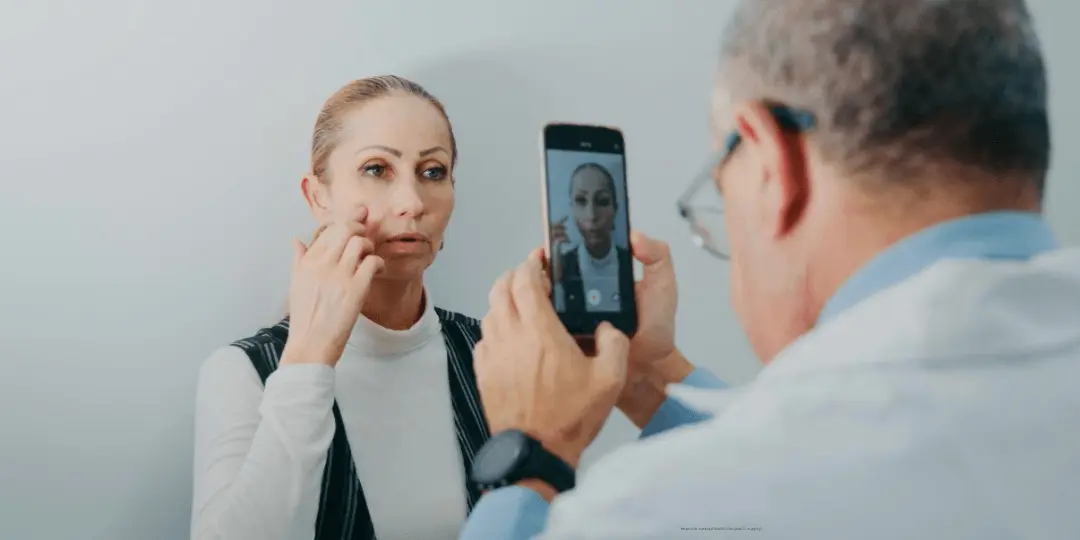
How CureCast supports
Canadian requirements.
Built to support PHIPA in Ontario, province-specific health privacy laws elsewhere, and PIPEDA where no provincial law applies, for clinics handling patient photos and records across Canada.
The regulation that applies to your practice
Canadian health privacy law depends on your province. Ontario health information custodians are governed by the Personal Health Information Protection Act (PHIPA), enforced by the Information and Privacy Commissioner of Ontario (IPC). Because PHIPA has been declared substantially similar to federal law, it, not PIPEDA, is the operative privacy law for health information held by Ontario custodians.
Outside Ontario, other provinces have their own health-specific privacy statutes, such as Alberta’s Health Information Act and BC’s Personal Information Protection Act combined with its E-Health (Personal Health Information Access and Protection of Privacy) Act. Where no province-specific health law applies, the federal Personal Information Protection and Electronic Documents Act (PIPEDA) governs. Practices should confirm which law applies in their own province.
What Counts as Sensitive Data Here
Under PHIPA, a privacy breach is any loss, theft, or unauthorized use or disclosure of personal health information. This includes patient photos, clinical notes, and any identifying information collected as part of care.
PHIPA requires custodians to notify affected individuals at the first reasonable opportunity once the scope of a breach is understood, rather than working to a fixed deadline like GDPR’s 72 hours. Since 2019, custodians must also notify the IPC when a breach meets specific thresholds, including breaches involving unauthorized use or disclosure, theft of information, or a breach significant enough to require notifying a professional regulator. Custodians must also submit annual breach statistics to the IPC, covering all privacy breaches, not only the ones that triggered individual notification.
Data residency & Data Processing Agreement
CureCast hosts Canada data on AWS’s secure cloud infrastructure, encrypted at rest with AES-256 and protected in transit with TLS 1.3, with TLS 1.2 supported as a fallback.
Canadian federal law doesn’t require patient data to stay within Canada. PIPEDA allows data to be processed outside the country as long as comparable protection travels with it, and Ontario’s PHIPA takes the same approach rather than requiring in-province storage. CureCast’s AWS infrastructure is built to meet that bar.
Quebec is the exception worth knowing. Law 25 requires a privacy impact assessment before personal information leaves the province. CureCast can provide the security documentation your practice needs to complete that assessment.
If your practice needs a specific regional hosting arrangement, our team can discuss it directly.
How CureCast supports Canada Requirements
Frequently asked Questions
Is CureCast PHIPA compliant?
CureCast supports PHIPA requirements. There is no official third-party PHIPA certification for software vendors. Each practice remains responsible for its own compliance.
Is patient data stored in Canada?
Canadian federal law doesn’t require patient data to stay within Canada. CureCast hosts Canada accounts on AWS’s secure cloud infrastructure, encrypted at rest with AES-256. Quebec practices have an additional requirement under Law 25, which our team can help support.
What counts as a data breach under Canadian privacy law?
Under PIPEDA, a breach must create a real risk of significant harm before notification is required, and affected individuals and the Privacy Commissioner of Canada must be notified as soon as feasible. Ontario’s PHIPA works differently: certain breaches, including theft or unauthorized disclosure, must be reported to the Information and Privacy Commissioner of Ontario at the first reasonable opportunity.
Do I need a separate agreement with CureCast for Canada use?
A Canada-specific Data Processing Agreement is separate from any US-facing agreement. Contact CureCast to confirm the right agreement for your account.
How do patients send photos to CureCast securely in Canada?
Patients can upload photos through CureCast’s secure remote upload link. No app download or account creation is required on their end.